
NATIONAL SCHOOL OF JOURNALISM AND PUBLIC DISCOURSE, Bengaluru
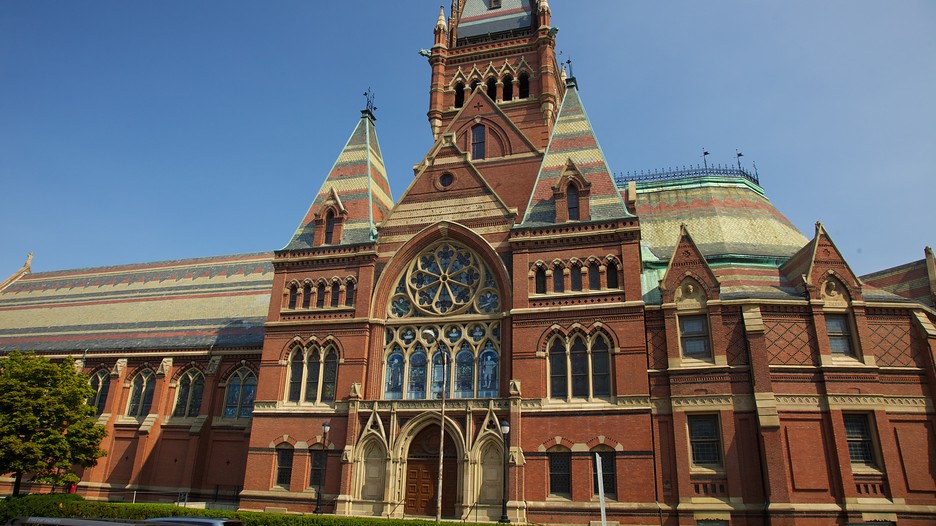
National School of Journalism and Public Discourse (NSoJ), Bengaluru is a prominent institution focused on delivering specialized education in journalism, media, and public discourse. Located in Bengaluru, NSoJ is dedicated to preparing the next generation of journalists, media professionals, and public communicators with a strong foundation in ethics, critical thinking, and practical skills. Known for its rigorous curriculum and emphasis on experiential learning, NSoJ has gained a reputation for excellence in media education.
Overview
- Institution: National School of Journalism and Public Discourse (NSoJ)
- Location: Bengaluru, Karnataka
- Affiliation: Bengaluru Central University
- Programs Offered: Bachelor’s and Master’s programs in journalism and related fields
- Key Features: Experiential learning, industry-aligned curriculum, strong ethical foundation, practical training, and small class sizes for personalized attention
Key Highlights
- Focus on Ethical Journalism: NSoJ emphasizes responsible and ethical journalism, preparing students to tackle real-world challenges in media.
- Practical Learning: Students engage in hands-on projects, fieldwork, internships, and assignments that simulate actual journalism environments.
- Industry Faculty and Mentorship: The school’s faculty includes experienced journalists, editors, and media professionals, offering mentorship and insights into the industry.
- Public Discourse Focus: The curriculum also stresses public discourse, encouraging students to understand and engage with diverse perspectives and critical societal issues.
Admission Process
NSoJ has a selective admission process to ensure candidates align with its values and goals:
- Application: Students can apply online via the NSoJ website.
- Eligibility:
- Undergraduate Programs: Completion of 10+2 from a recognized board.
- Postgraduate Programs: Bachelor’s degree in any field from a recognized university.
- Selection:
- Candidates undergo an interview, written test, or a Statement of Purpose (SOP) review to gauge their interest in journalism and media ethics.
- Assessment of analytical, communication, and critical thinking skills.
Programs Offered
NSoJ offers undergraduate and postgraduate programs that provide specialized training in journalism and public discourse:
| Program Type | Duration | Specializations | Eligibility |
|---|---|---|---|
| Bachelor of Arts (B.A.) (Hons) in Journalism | 3 Years | Journalism, Public Discourse | 10+2 in any stream |
| Postgraduate Diploma (PGD) | 1 Year | Journalism, Broadcast Media | Bachelor’s degree in any discipline |
| Master of Arts (M.A.) in Journalism and Public Policy | 2 Years | Investigative Journalism, Public Policy | Bachelor’s degree in any field |
Facilities and Campus Resources
NSoJ provides a well-equipped campus that supports hands-on learning in journalism and media:
- Media Labs: State-of-the-art labs for digital and broadcast media, providing a professional environment for multimedia work.
- Newsroom: A simulated newsroom that allows students to experience real-time news production and reporting.
- Library: Extensive resources including books, research journals, and digital materials focusing on journalism, media, and public discourse.
- Studio Facilities: Fully equipped video and audio studios for broadcast journalism, interviews, and podcasting.
- Field Equipment: Professional-grade cameras, microphones, and other field equipment for outdoor reporting and coverage.
Extracurricular Activities and Student Life
NSoJ encourages students to actively participate in extracurricular activities that enhance their journalistic skills and broaden their understanding of societal issues:
- Student Journalism Projects: Students participate in producing digital content, podcasts, and publications as part of their coursework.
- Guest Lectures and Workshops: Regular sessions with prominent journalists, media experts, and industry leaders for added exposure.
- Public Debates and Discourse: The institution organizes debates, discussions, and forums on contemporary issues, allowing students to explore different perspectives.
- Clubs and Societies: Student-run clubs focused on investigative journalism, digital media, and public policy analysis.
Career Support and Placement
NSoJ has a dedicated placement cell to help students explore career opportunities in journalism, digital media, and public relations:
- Career Counseling: Personalized support and career counseling sessions are provided to guide students toward the best-suited roles in the media industry.
- Industry Internships: Internship opportunities with leading media organizations, news agencies, and digital media platforms.
- Placement Assistance: The placement cell assists in finding suitable roles for students, particularly in journalism, broadcast media, PR, and corporate communication.
Top Recruiters
NSoJ has a good track record of placements, with graduates securing positions in reputable organizations, including:
- Media Companies: The Hindu, The Times of India, Indian Express, NDTV, CNN-IBN
- Digital Media Platforms: Scroll.in, The Quint, The Wire
- Public Relations Firms: Edelman, Weber Shandwick, Genesis BCW
Scholarships and Financial Assistance
NSoJ offers scholarships and financial aid to meritorious and economically disadvantaged students. Scholarships are awarded based on academic achievements, entrance test performance, and financial need.
Global Collaborations and Exposure
NSoJ partners with various international universities and media organizations to offer students opportunities for international internships, exchange programs, and global media exposure.
Conclusion
National School of Journalism and Public Discourse (NSoJ), Bengaluru stands out as a premier choice for students passionate about journalism, media ethics, and public discourse. With a practical approach, skilled faculty, and strong industry connections, NSoJ equips students with the tools necessary for impactful careers in media and journalism.
Courses/Programs
| Serial# | Title | Estimated Cost | Program type |
|---|
Campuses
Reviews
