Post Graduate Institute of Medical Education and Research (PGIMER) - Chandigarh
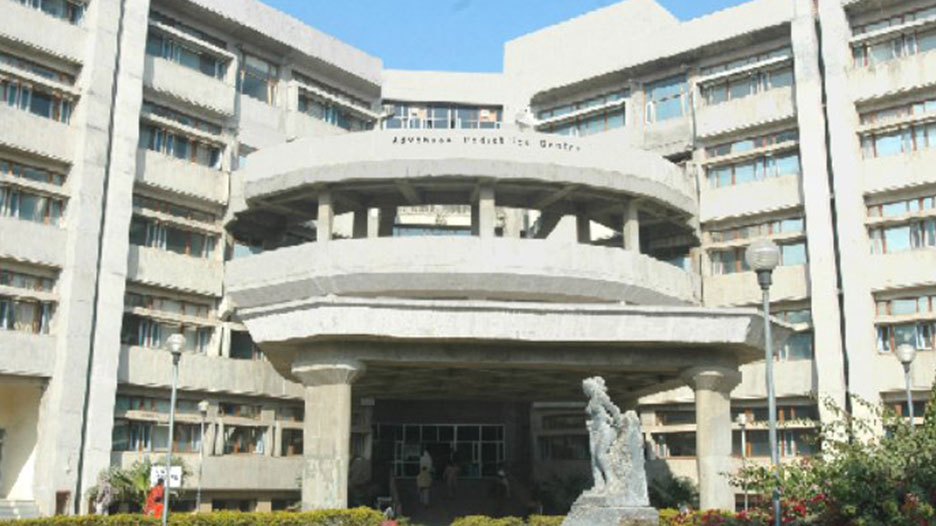
Post Graduate Institute of Medical Education and Research (PGIMER), Chandigarh
Introduction
Established in 1962, PGIMER in Chandigarh is one of India’s premier medical institutions, focusing on medical education, research, and healthcare excellence. Under the Ministry of Health and Family Welfare, PGIMER develops skilled healthcare professionals and enhances national medical standards.
Key Features
- Location: Chandigarh, India
- Type: Autonomous Medical Institute
- Accreditations: Recognized by the National Board of Examination (NBE) and Medical Council of India (MCI)
- Campus Area: Spans approximately 64 acres
Academic Programs
PGIMER offers a range of postgraduate and doctoral programs across medical disciplines.
Postgraduate Courses
- MD (3 years): Specializations in Anatomy, Biochemistry, Microbiology, etc.
- MS (3 years): General Surgery, Obstetrics & Gynecology, etc.
- DM (3 years): Cardiology, Neurology, Gastroenterology, etc.
- M.Ch (3 years): Cardiothoracic Surgery, Neurosurgery, etc.
- M.Sc (2 years): Medical Biochemistry, Medical Microbiology
- Post-Doctoral Fellowship (1-3 years): Various specializations
Doctoral Programs (Ph.D.)
Ph.D. programs in multiple biomedical and health sciences areas focus on advanced research methodologies.
Admission Criteria
Eligibility Requirements
- MD/MS: MBBS degree recognized by MCI and a one-year compulsory internship.
- DM/M.Ch: MD/MS degree in the relevant specialty.
- M.Sc: Bachelor’s degree in the respective field (e.g., B.Sc. in Medical Biochemistry for M.Sc. in Medical Biochemistry).
- Ph.D.: Master’s degree in a relevant discipline.
Application Process
- Entrance Examination: PGIMER conducts an entrance exam for MD/MS and DM/M.Ch programs.
- Online Application: Candidates must apply through PGIMER’s official website.
- Merit List & Counseling: After the entrance exam, a merit list is released, followed by document verification, seat allocation, and specialization selection.
Important Dates
- Entrance Exam: Held biannually in January and July.
- Application Deadline: Opens a month before the entrance exam; check the official website for specific dates.
Fee Structure
Fees at PGIMER vary by program and category. Below is an approximate annual fee structure:
| Postgraduate Program | Amount (INR) |
|---|---|
| Tuition Fee | 5,000 |
| Examination Fee | 2,000 |
| Registration Fee | 1,000 |
| Additional Fees (Library, Hostel) | 3,000 |
| Total | 11,000 |
| Ph.D. Program | Amount (INR) |
|---|---|
| Tuition Fee | 4,000 |
| Additional Fees (Library, Hostel) | 2,000 |
| Total | 6,000 |
Note: Fees are indicative and may change. Refer to PGIMER’s website for updates.
Infrastructure and Facilities
PGIMER’s campus provides advanced amenities to support medical education and research.
Campus Amenities
- Libraries: A well-resourced central library offering books, journals, and electronic resources.
- Laboratories: Advanced labs for hands-on training and research in various medical disciplines.
- Hostels: Separate hostels for male and female students, ensuring a secure living environment.
- Clinical Facilities: An extensive hospital provides healthcare services and training opportunities.
Research Facilities
PGIMER hosts specialized research centers in public health, epidemiology, and advanced medical sciences. Research follows stringent ethical standards overseen by an Institutional Ethics Committee.
Career Opportunities
PGIMER has a dedicated placement cell to support student internships and employment.
Recent Placement Statistics
| Year | Placement % | Highest Package (INR) | Average Package (INR) |
|---|---|---|---|
| 2023 | 85% | 15 Lakh | 8 Lakh |
| 2022 | 80% | 12 Lakh | 7 Lakh |
| 2021 | 75% | 10 Lakh | 6 Lakh |
Through partnerships with hospitals and healthcare organizations, PGIMER provides students with clinical internships and job opportunities.
Research and Innovation
Research is a core priority at PGIMER, with both faculty and students engaged in cutting-edge projects.
Research Initiatives
- Clinical Trials: Numerous trials aim to advance medical science and patient care.
- Collaborative Research: Partnerships with national and international organizations.
- Research Grants: Funding from government and private entities supports innovative medical research.
Student Life and Community Engagement
PGIMER fosters a vibrant campus life with diverse extracurricular activities and cultural events.
Student Organizations
- Cultural Clubs: Clubs for music, dance, and drama enable cultural expression and student engagement.
- Health Awareness Programs: Students participate in outreach initiatives promoting community health education.
Events and Activities
- Annual Celebrations: PGIMER’s annual day includes cultural performances and student achievements.
- Workshops and Seminars: Regular workshops feature interactions with medical professionals.
Community Service
PGIMER organizes health camps and outreach programs to provide healthcare services to underserved communities.
Alumni Network
PGIMER’s alumni network includes notable healthcare professionals contributing to medical fields globally. Alumni often mentor students and participate in campus events.
Conclusion
PGIMER stands as a leader in medical education, research, and healthcare service in India. With its comprehensive programs, strong research focus, and commitment to excellence, PGIMER prepares students for impactful careers in medicine, significantly contributing to the healthcare sector.
Contact Information
- Address: Post Graduate Institute of Medical Education and Research (PGIMER),
Sector 12, Chandigarh – 160012, India.
Courses/Programs
| Serial# | Title | Estimated Cost | Program type |
|---|
Campuses
Reviews