
G.B. Pant Institute of Himalayan Environment and Development, Kosi-Katarmal
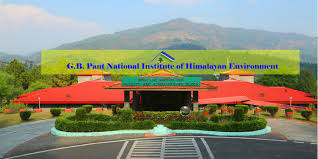
G.B. Pant Institute of Himalayan Environment and Development (GBPIHED), Kosi-Katarmal
G.B. Pant Institute of Himalayan Environment and Development (GBPIHED) is a premier research institution in India focused on the sustainable development of the Himalayan region. Established in 1988, the institute carries out research and development activities to address various environmental challenges specific to the Himalayan ecosystem. The institute is located in Kosi-Katarmal, Almora, Uttarakhand, and operates under the Ministry of Environment, Forest and Climate Change (MoEF&CC), Government of India.
1. Overview
| Aspect | Details |
|---|---|
| Name | G.B. Pant Institute of Himalayan Environment and Development (GBPIHED) |
| Established | 1988 |
| Location | Kosi-Katarmal, Almora, Uttarakhand |
| Affiliation | Ministry of Environment, Forest and Climate Change (MoEF&CC) |
| Type | Research Institution |
| Focus Areas | Himalayan Ecosystem, Environment, and Sustainable Development |
1.1 Mission Statement
To promote and support sustainable development and conservation of the Indian Himalayan region through scientific research, policy inputs, and technological interventions.
1.2 Vision Statement
To be a leading institution for Himalayan ecosystem research and development, addressing key environmental challenges and promoting sustainable practices.
2. Research and Academic Programs
G.B. Pant Institute of Himalayan Environment and Development focuses primarily on research, technology transfer, and capacity building in the Himalayan region. The institute conducts various programs to promote ecological sustainability, biodiversity conservation, and environmental management.
2.1 Key Research Areas
| Research Domain | Focus |
|---|---|
| Biodiversity Conservation | Studies on flora and fauna, biodiversity hotspots, and endangered species |
| Climate Change and Adaptation | Research on climate change impacts and adaptation strategies for local communities |
| Water Resources and Hydrology | Studies on sustainable water management, glaciers, and watershed management |
| Natural Resource Management | Research on sustainable use of forests, agriculture, and other natural resources |
| Environmental Sustainability | Focus on pollution control, sustainable tourism, and eco-friendly technologies |
| Socio-economic Development | Studies on rural livelihoods, community-based natural resource management, and development models |
2.2 Fellowship and Training Programs
The institute provides fellowships and conducts various training programs for researchers, students, and policymakers focused on:
- Fellowships for Research Scholars: Postgraduate and Ph.D. students can apply for research fellowships to work on Himalayan environmental challenges.
- Capacity Building Programs: Training programs for local communities, NGOs, and government officers to enhance their knowledge in sustainable resource management and conservation practices.
- Workshops and Conferences: Regularly organizes national and international workshops and conferences on topics such as climate change, biodiversity, and sustainable development.
3. Faculty and Research Team
GBPIHED is home to a highly qualified team of scientists and researchers who specialize in various aspects of environmental science, climate change, and sustainable development. The faculty plays a key role in shaping research, policy recommendations, and technological innovations for the Himalayan region.
3.1 Key Research Staff
| Position | Details |
|---|---|
| Director | Senior environmental scientist with expertise in Himalayan ecosystems |
| Research Scientists | Experts in fields like biodiversity, hydrology, and climate change |
| Visiting Faculty | National and international experts in environmental science |
| Research Fellows | Graduate students and postdoctoral researchers engaged in various projects |
4. Facilities and Infrastructure
The institute is equipped with modern research infrastructure to support cutting-edge research in the field of environmental science and sustainable development. These facilities include laboratories, research centers, and a well-maintained library.
4.1 Research Laboratories
| Lab Name | Details |
|---|---|
| Biodiversity and Conservation Lab | Research on conservation biology, species preservation, and habitat restoration |
| Climate Change and Water Resources Lab | Studies on the impacts of climate change on water resources, hydrology, and glaciers |
| Remote Sensing and GIS Lab | Use of geospatial technologies for landscape analysis, resource mapping, and climate modeling |
| Environmental Impact Assessment Lab | Conducts assessments of development projects on the environment in the Himalayan region |
4.2 Library and Documentation Center
| Facility | Details |
|---|---|
| Library | Houses a vast collection of books, journals, and research papers on environmental sciences and Himalayan studies |
| Documentation Center | Stores comprehensive data and publications on various environmental and developmental aspects of the Himalayan region |
5. Collaborations and Partnerships
GBPIHED collaborates with national and international organizations, universities, and research institutes to enhance its research capacity and address global environmental challenges. The collaborations aim to develop solutions for issues like climate change, sustainable livelihoods, and conservation.
5.1 National Collaborations
| Organization | Focus of Collaboration |
|---|---|
| Indian Council of Forestry Research and Education (ICFRE) | Forest conservation and natural resource management |
| National Institute of Hydrology (NIH) | Research on water resources, hydrology, and watershed management |
| Wildlife Institute of India (WII) | Collaborations on wildlife conservation and habitat restoration |
5.2 International Collaborations
| Organization | Focus of Collaboration |
|---|---|
| UNEP (United Nations Environment Program) | Environmental sustainability and policy development |
| ICIMOD (International Centre for Integrated Mountain Development) | Climate change research and adaptation strategies in the Himalayan region |
| UNESCO (United Nations Educational, Scientific and Cultural Organization) | Biodiversity conservation and sustainable tourism |
6. Community Engagement and Outreach
GBPIHED actively engages with local communities, promoting sustainable livelihoods, conservation practices, and the use of eco-friendly technologies. The institute’s outreach programs are designed to integrate scientific research with traditional knowledge for the development of local communities.
6.1 Key Outreach Programs
| Program | Focus |
|---|---|
| Community-based Natural Resource Management | Promoting community involvement in managing forest and water resources |
| Eco-friendly Technologies for Rural Livelihoods | Introduction of low-cost, environment-friendly technologies such as solar energy and water conservation techniques |
| Women Empowerment Programs | Providing training and support to women in rural areas for sustainable farming, entrepreneurship, and natural resource management |
| Educational Outreach | Conducting awareness programs for schools and local communities about biodiversity, conservation, and environmental sustainability |
7. Admission and Fellowship Opportunities
GBPIHED offers research fellowships and admissions to students and researchers who are interested in conducting studies in various fields related to environmental science and Himalayan development.
7.1 Fellowship Programs
| Program | Eligibility |
|---|---|
| Junior Research Fellowship (JRF) | Postgraduate students in environmental science, biology, or related fields |
| Senior Research Fellowship (SRF) | Postgraduate or PhD students with prior research experience |
| Post-Doctoral Fellowship (PDF) | PhD holders with research expertise in Himalayan ecosystems or sustainable development |
7.2 Application Process
- Eligibility: The minimum qualification is a postgraduate degree in relevant fields such as environmental science, biology, climate science, or geography.
- Application: Applicants need to submit a research proposal, academic transcripts, and letters of recommendation to apply for fellowship programs.
- Selection: Candidates are selected based on academic performance, research potential, and alignment with the institute’s objectives.
8. Campus and Location
GBPIHED is located in the serene environment of Kosi-Katarmal, Almora, Uttarakhand. The location offers a picturesque setting, ideal for studying the diverse and unique ecosystem of the Himalayas.
8.1 Campus Facilities
| Facility | Details |
|---|---|
| Hostels | Comfortable accommodation for research students and fellows |
| Research Centers | Distributed across different regions of the Indian Himalayas to facilitate fieldwork |
| Conference Hall | Venue for workshops, conferences, and seminars |
| Canteen | Provides healthy and nutritious food to students and staff |
9. Address and Contact Information
| Aspect | Details |
|---|---|
| Location | Kosi-Katarmal, Almora, Uttarakhand 263643, India |
| Phone | +91-5962-241015 |
| director@gbpihed.nic.in | |
10. Conclusion
The G.B Pant Institute of Himalayan Environment and Development (GBPIHED)** is a leading research institution dedicated to the study and sustainable development of the Indian Himalayan Region (IHR). With its extensive research programs, community outreach initiatives, and collaborations with both national and international organizations, the institute is at the forefront of addressing the unique environmental and socio-economic challenges of the Himalayas. Its focus on integrating scientific research with traditional knowledge and sustainable practices makes it a vital institution in ensuring the ecological and economic well-being of the region.
The institute’s role in biodiversity conservation, climate change research, natural resource management, and community development is critical to safeguarding the fragile Himalayan ecosystem and promoting sustainable livelihoods for its inhabitants. GBPIHED continues to be a key player in environmental science research, fostering the growth of future researchers through its fellowship programs and capacity-building initiatives, while also contributing significantly to policy recommendations for environmental protection and sustainable development.
For further information or collaborations, interested parties can reach out to the institute through their official website or contact details provided above. GBPIHED remains committed to its mission of ensuring a sustainable future for the Himalayan region and continues to welcome new ideas, research collaborations, and community-driven projects that align with its goals.
This comprehensive overview of G.B. Pant Institute of Himalayan Environment and Development highlights its contributions to environmental sustainability and research, making it a pivotal institution in addressing the critical challenges faced by the Himalayan region.
Courses/Programs
| Serial# | Title | Estimated Cost | Program type |
|---|
Campuses
Reviews
Average rating
0.0 / 5
Rating breakdown
Submit your review

- Location
Kosi-Katarmal, Almora, Uttarakhand 263643, India Click address for directions
- Phone
- Fax
- Web Site